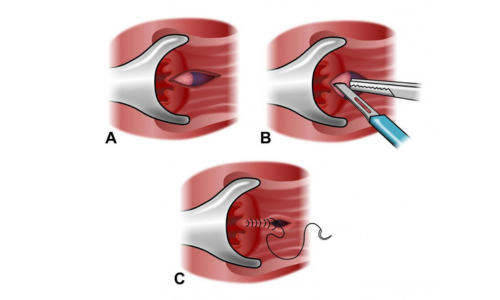
An anal fissure is a small tear in the lining of the anus, usually caused by hard stool/constipation, leading to severe pain during bowel movements (often described as “passing glass”) and bright red blood on toilet paper. 90–95% heal with non-surgical treatment. Surgery is needed only in chronic fissures (>6–8 weeks) that fail conservative measures.
Red flags → see surgeon urgently:
Aaradhya Nursing Home provides reliable and compassionate medical care for diabetes, hypertension, thyroid, and general health issues. Led by Dr. Ankita Singh (MBBS, MD), we are committed to delivering accurate diagnosis and patient-focused treatment.
Aaradhya Nursing Home provides reliable and compassionate medical care for diabetes, hypertension, thyroid, and general health issues. Led by Dr. Ankita Singh (MBBS, MD), we are committed to delivering accurate diagnosis and patient-focused treatment.
Aaradhya Nursing Home provides reliable and compassionate medical care for diabetes, hypertension, thyroid, and general health issues. Led by Dr. Ankita Singh (MBBS, MD), we are committed to delivering accurate diagnosis and patient-focused treatment.
© 2025 Aaradhya Nursing Home Powered by GL Service & Solutions Pvt Ltd