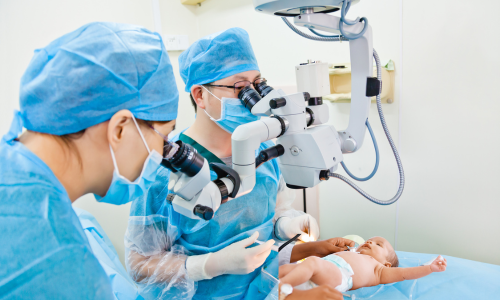
Urosurgery, also known as urological surgery, is a specialized branch of medicine focused on diagnosing and treating diseases of the urinary tract and male reproductive system. It deals with conditions involving the kidneys, ureters, bladder, prostate, urethra, and male genital organs. Urosurgery plays a crucial role in managing kidney stones, prostate enlargement, urinary blockages, cancers of the urinary system, congenital abnormalities, and urinary incontinence.
Modern urosurgery uses advanced techniques such as laparoscopy, endoscopy, laser procedures, and robotic surgery. These methods allow surgeons to perform precise operations with smaller cuts, minimal pain, and faster recovery. Common urosurgical procedures include kidney stone removal, prostate surgery (TURP or laser), bladder tumor removal, ureteric stone treatment, and reconstructive surgeries for urinary abnormalities.
Urosurgery offers highly effective solutions for conditions that cannot be managed with medication alone. It helps relieve pain, remove stones, treat cancers early, correct blockages, and improve urinary function. Minimally invasive techniques ensure quicker healing, less scarring, and shorter hospital stays.
Like any surgery, urosurgery carries risks such as infection, bleeding, anesthesia-related issues, or temporary urinary discomfort. Some conditions may require repeated procedures. Recovery time varies depending on the complexity of the surgery.
Urosurgery remains a safe and reliable option for restoring urinary health and improving overall quality of life.
Aaradhya Nursing Home provides reliable and compassionate medical care for diabetes, hypertension, thyroid, and general health issues. Led by Dr. Ankita Singh (MBBS, MD), we are committed to delivering accurate diagnosis and patient-focused treatment.
Aaradhya Nursing Home provides reliable and compassionate medical care for diabetes, hypertension, thyroid, and general health issues. Led by Dr. Ankita Singh (MBBS, MD), we are committed to delivering accurate diagnosis and patient-focused treatment.
Aaradhya Nursing Home provides reliable and compassionate medical care for diabetes, hypertension, thyroid, and general health issues. Led by Dr. Ankita Singh (MBBS, MD), we are committed to delivering accurate diagnosis and patient-focused treatment.
© 2025 Aaradhya Nursing Home Powered by GL Service & Solutions Pvt Ltd