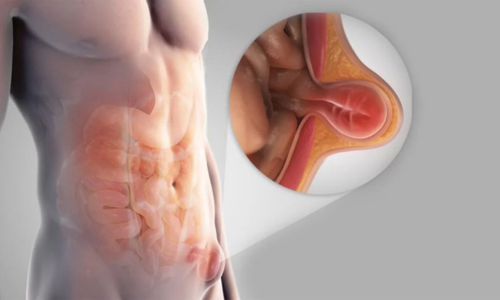
A hernia occurs when an internal organ or tissue pushes through a weak spot in the surrounding muscle or connective tissue wall. It commonly appears as a visible bulge, especially when standing, coughing, or lifting heavy objects. Hernias do not heal on their own and can become life-threatening if strangulated (blood supply cut off), making surgery the only permanent solution.
Aaradhya Nursing Home provides reliable and compassionate medical care for diabetes, hypertension, thyroid, and general health issues. Led by Dr. Ankita Singh (MBBS, MD), we are committed to delivering accurate diagnosis and patient-focused treatment.
Aaradhya Nursing Home provides reliable and compassionate medical care for diabetes, hypertension, thyroid, and general health issues. Led by Dr. Ankita Singh (MBBS, MD), we are committed to delivering accurate diagnosis and patient-focused treatment.
Aaradhya Nursing Home provides reliable and compassionate medical care for diabetes, hypertension, thyroid, and general health issues. Led by Dr. Ankita Singh (MBBS, MD), we are committed to delivering accurate diagnosis and patient-focused treatment.
© 2025 Aaradhya Nursing Home Powered by GL Service & Solutions Pvt Ltd